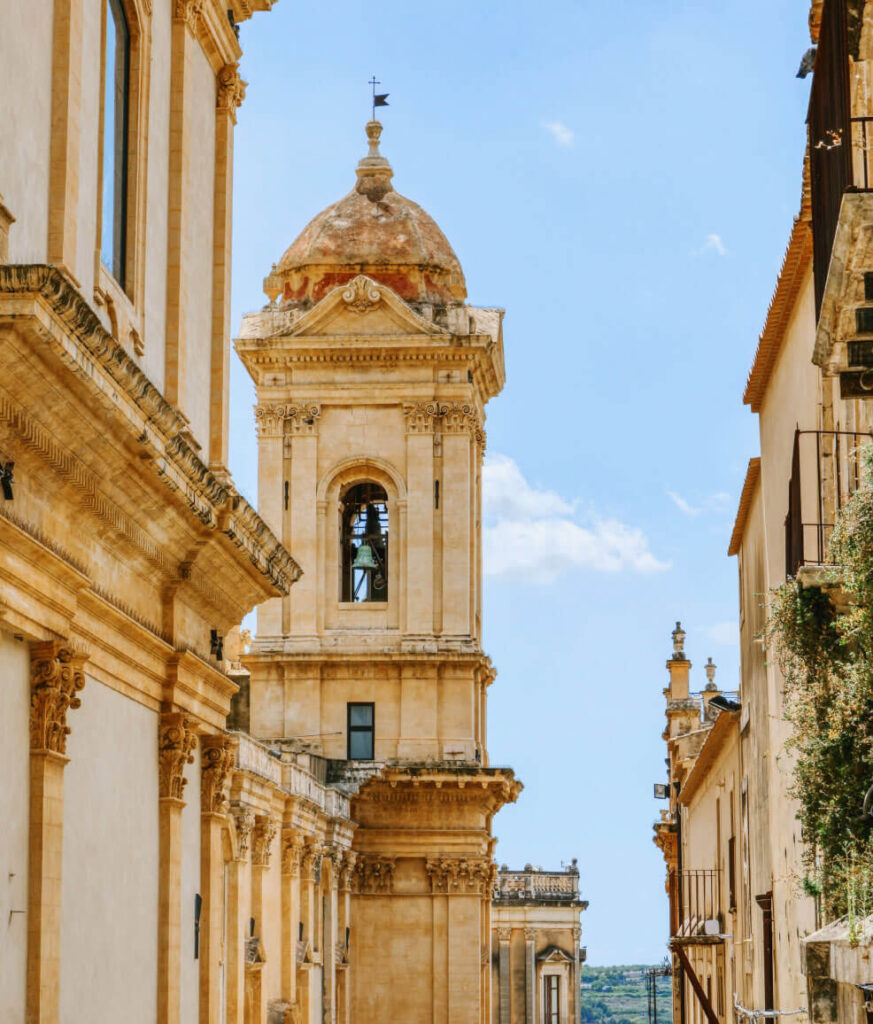
La “Capitale del Barocco” deve questo nome ai gioielli barocchi del suo centro storico, proclamato Patrimonio dell’Umanità dall’UNESCO nel 2002. Palazzi nobiliari e chiese in stile settecentesco, primi fra tutti Palazzo Nicolaci e la Cattedrale di San Nicolò, abbelliscono la cittadina con la loro caratteristica pietra rosea che al tramonto la tinge di un violaceo fiabesco. Vittima del terremoto del 1693 che la rase al suolo, la città fu ricostruita più a valle, addossata ad un’estremità dei Monti Iblei. Da qui, Noto sovrasta la valle che prende il suo nome, la Val di Noto, dove, alternati tra colli e piane, trionfano mandorleti, uliveti, carrubeti, agrumeti e vigne. Motivo di orgoglio e autentica meraviglia è la Riserva Naturale di Vendicari, un’Oasi Faunistica che regala alcune delle spiagge più belle della Sicilia intera. In questi luoghi, al crepuscolo, non è insolito ammirare stormi di fenicotteri volare sopra i bagnanti. I più fortunati invece racconteranno di aver incontrato le tartarughe marine che ogni anno, tra Maggio e Giugno, nidificano su queste spiagge.
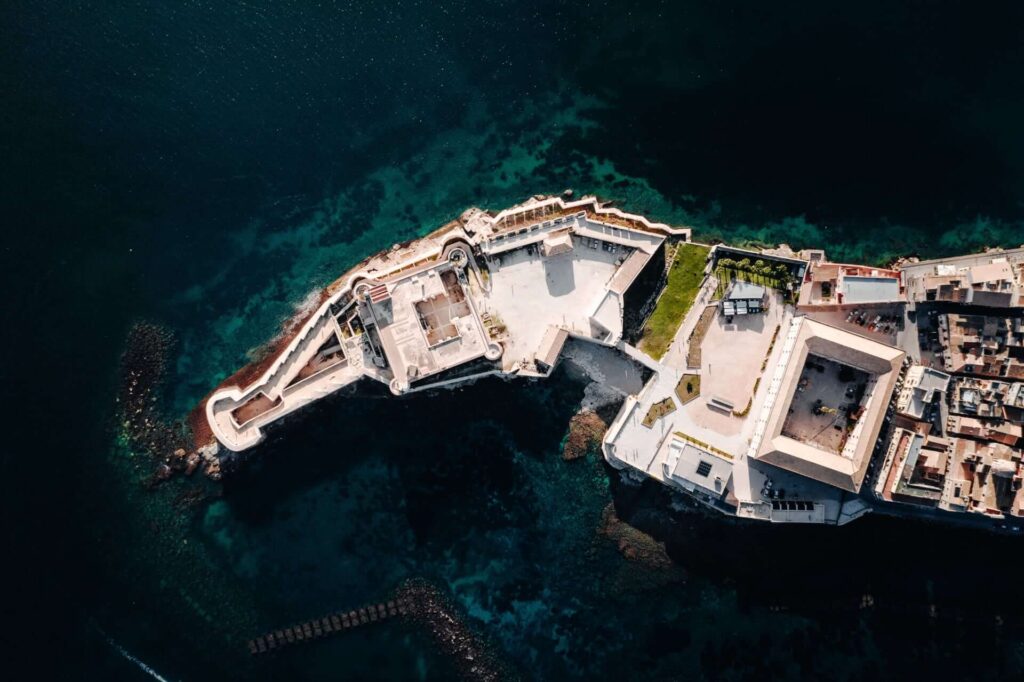
The birthplace of Archimedes, Ortigia is the oldest part of Syracuse. Enriched with vestiges of the Spanish colonial era and the Baroque style of the 1700s, it nevertheless retains many vestiges of its older splendour, including the Church of St John the Baptist, in the Jewish quarter of Giudecca, and the Temples of Apollo and Athena, dating from around the 5th century BC. The latter was incorporated centuries later into the Baroque structure of the Duomo. And it is in Piazza Duomo that visitors flock for an aperitif at sunset, when the white rock is tinged with the colours of the sky. Not far away, just a stone's throw from the sea, is the Arethusa spring, a freshwater spring named after a muse, from which one of only two papyrus trees in Italy grows. It is said that it was an Egyptian pharaoh who gave the papyrus to the Tyrant of Syracuse, a plant that would otherwise only grow wild along the banks of the Nile. Finally, on the southern end of the island stands the majestic Maniace Castle, probably built on another ancient fortress by Frederick II of Swabia. And finally, just outside Ortigia, we find the archaeological park of Syracuse with its famous theatre, where tragedies and comedies, once performed by the Greeks themselves, are still performed in spring and summer.
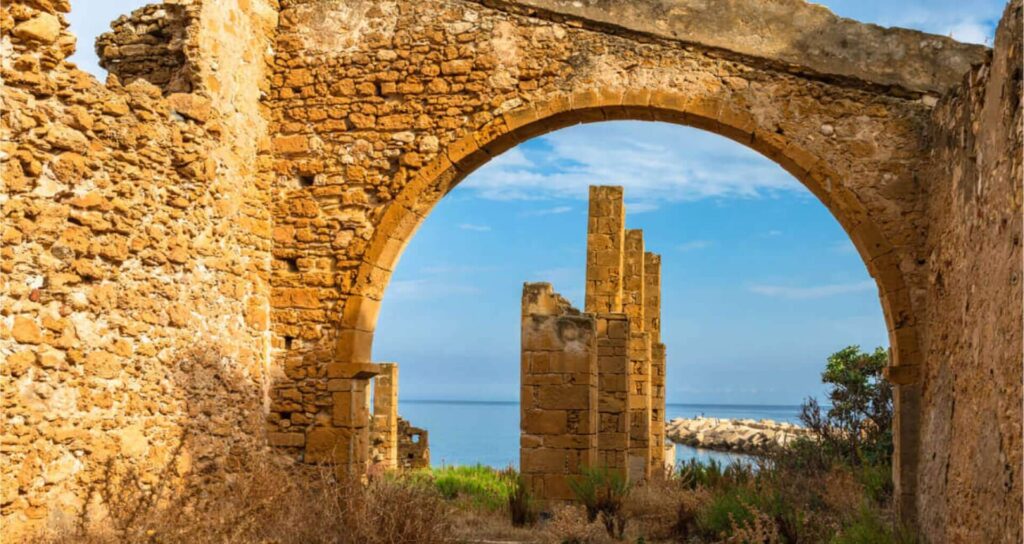
It is called "the city of almonds" in honour of the famous Pizzuta di Avola, one of the almond varieties most appreciated by connoisseurs for its extraordinary organoleptic properties. But in addition to the almond groves, the city is also home to its Nero d'Avola, a tannic, fruity and typically high-alcohol red wine that was once used by the French as a blending wine before being fully exploited and then exported worldwide. Nestled between the Iblei Mountains, behind it, and the Ionian Sea, opposite, the city never fails to surprise its visitors with sea views of golden sands and turquoise waters, or the limestone canyons dotted with natural lakes in the Cavagrande del Cassibile Nature Reserve. Not to be missed is a walk in the centre of the typical hexagonal city plan, where you can find ancient noble palaces and churches in eighteenth-century style, among which the Mother Church in Piazza Umberto I and the Church of Santa Venera, patroness of the city, in Piazza Teatro stand out. Our B&B in Avola is waiting for you to enjoy all this, and more.

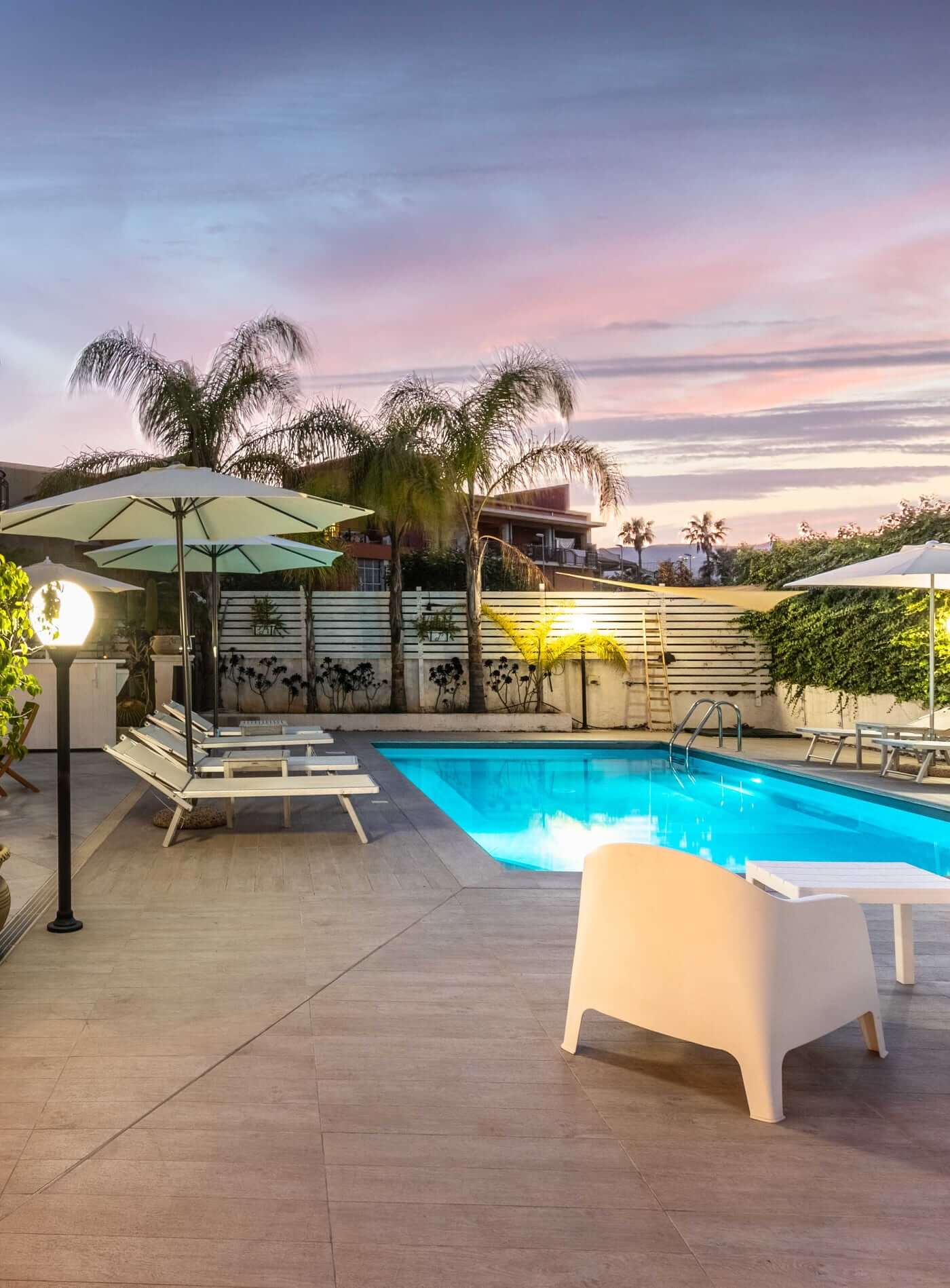
A Bed & Breakfast in the town of Avola, in the heart of Sicily. Spend a pleasant stay with us.